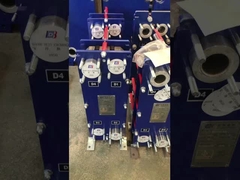
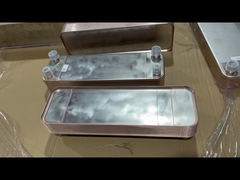
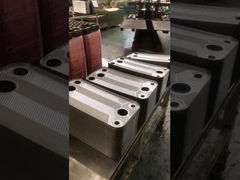
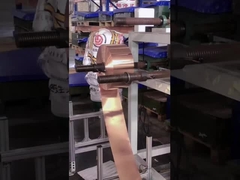
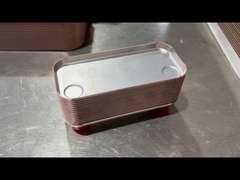
Brief: Discover the Brazed Plate Heat Exchanger, a compact and efficient solution for heating and environmental protection in both home and industrial applications. Made from stainless steel with copper or nickel brazing, it offers high heat transfer efficiency, low water consumption, and a lightweight design. Perfect for various flow and heat transfer needs.
Related Product Features:
Compact structure with high heat transfer efficiency and low refrigerant filling.
Made from stainless steel 304 or 316L, ensuring reliability and stability under high pressure.
Reduces water consumption by requiring only 1/3 of the flow compared to shell and tube heat exchangers.
Lightweight design, weighing only 20-30% of traditional shell and tube types.
Low fouling coefficient due to high turbulence, minimizing cleaning frequency.
Available in multiple models (BL14 to BL200) to suit various flow rates and pressure requirements.
Diseño de interfaz flexible con accesorios opcionales como sensores de temperatura, bridas y capas de aislamiento.
Three channel types (H, M, L) optimized for different heat transfer and flow conditions.
Preguntas frecuentes:
What materials are used in the brazed plate heat exchanger?
The heat exchanger is made from stainless steel plates (304 or 316L) brazed together using pure copper or nickel as filler metal, ensuring durability and high performance.
How does the brazed plate heat exchanger save water?
Due to its high heat exchange efficiency, it requires only 1/3 of the cooling water flow compared to traditional shell and tube heat exchangers under the same conditions.
¿Cuáles son las ventajas de los canales H, M y L?
Los canales H ofrecen una alta transferencia de calor para flujos pequeños, los canales M equilibran la transferencia de calor y la resistencia, y los canales L son ideales para grandes flujos con bajas necesidades de transferencia de calor.